Introduction
A vague request for “500 premium crystal awards with our logo” is not a usable sourcing specification. It forces a factory to infer size, crystal grade, decoration method, packaging, and quality limits. The resulting quotations may look comparable while describing materially different products. Procurement then loses time to revisions, and cost changes appear after artwork or sampling.
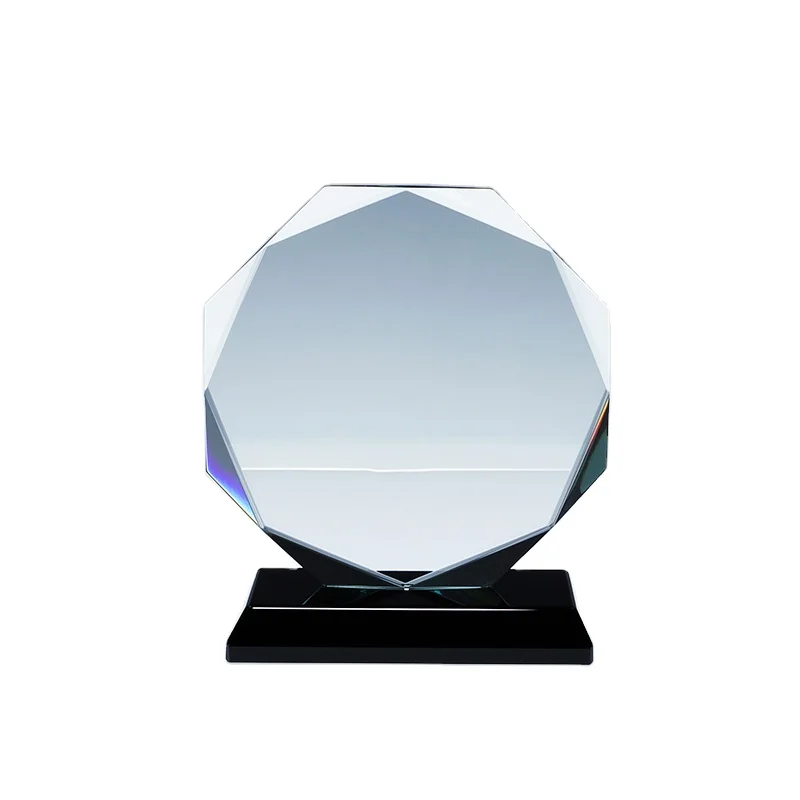
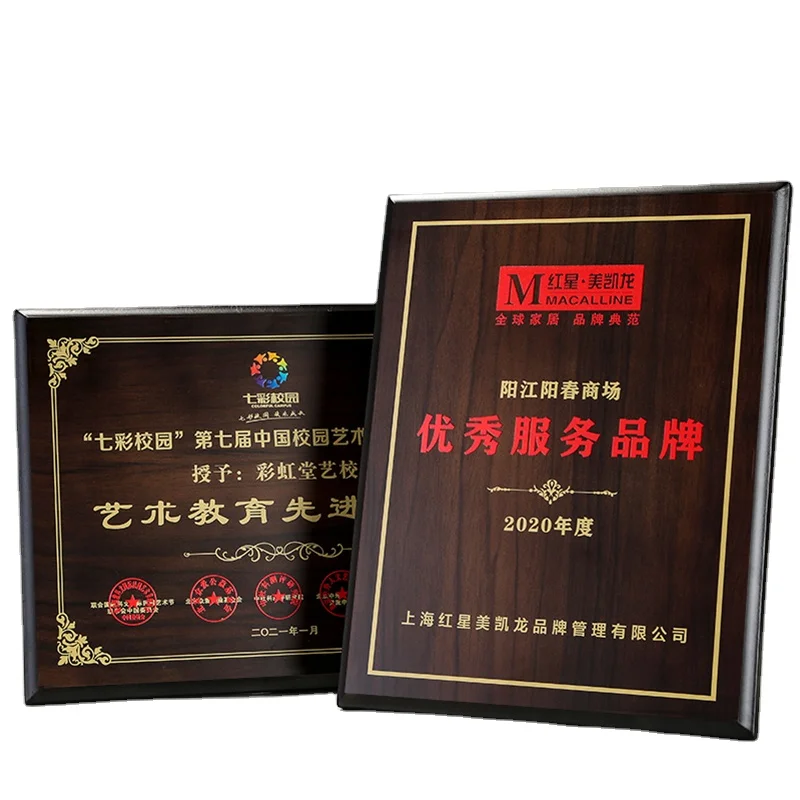
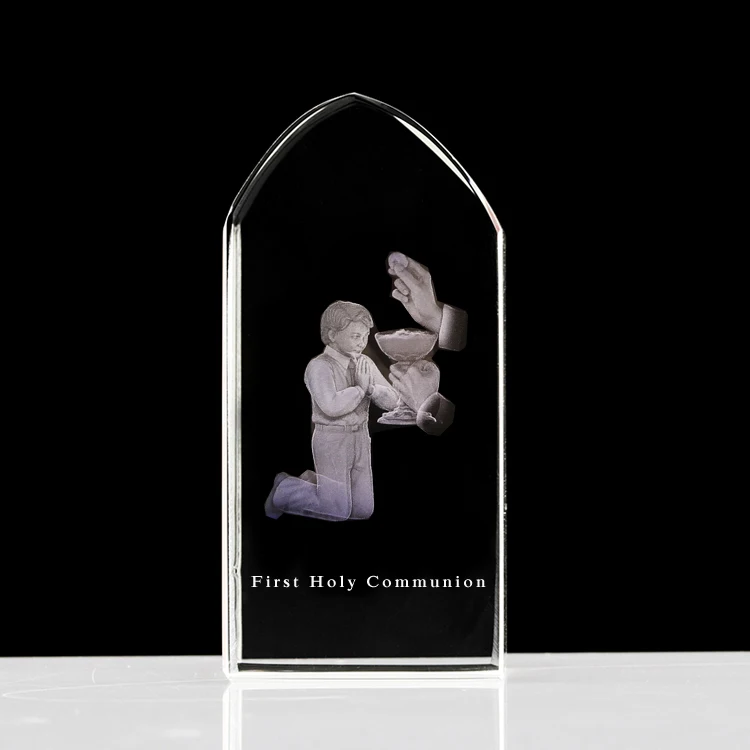
A strong custom crystal award RFQ converts the buyer’s intent into measurable requirements. It also identifies what remains open for supplier recommendation. Small-Bridge Crystal Handicrafts Co., Ltd., founded in 2001 in Pujiang, Zhejiang, supports minor, drawing-based, sample-based, and full customization. Its available processes include cutting, grinding, faceting, hole-punching, polishing, 3D laser engraving, sandblasting, and UV printing. Buyers can use that process range more effectively when an RFQ clearly defines the expected result.

Why RFQ Detail Determines Quote Comparability
The purpose of an RFQ is not simply to obtain a price. It creates a common baseline for commercial, technical, and logistics evaluation. If Supplier A assumes a simple rectangular blank and Supplier B includes multi-angle faceting, a foam-lined gift box, and individual inspection, their totals cannot be compared fairly.
Before release, assign an RFQ revision number and one owner for technical questions. Require suppliers to list assumptions, exclusions, optional costs, and deviations rather than silently substituting. Ask for a line-by-line response to the specification. This practice produces an auditable bid tab and makes later change control easier.
The 12 Specifications to Include
1–6: Product Definition
• Award geometry and drawing. Attach dimensioned front, side, and top views. Identify the base, body, bevels, holes, bonded joints, and intended orientation. Use millimeters and state drawing scale.
• Overall dimensions and net-weight target. Specify height, width, thickness, and any acceptable range. Weight matters for perceived value, carton loading, and freight planning.
• Material and optical expectation. Define the required material description and visible standard: clarity, color neutrality, bubble or inclusion limits, and whether optical inspection is against a controlled background.
• Edge, facet, and surface finish. Identify polished, frosted, beveled, or sharp-looking decorative edges while requiring safe handling. Mark cosmetic “A-surfaces” and less-visible surfaces.
• Assembly construction. State whether the body and base are bonded, mechanically joined, or one piece. Define alignment, adhesive visibility, and stability expectations.
• Decoration method and location. Select or request a recommendation among 3D laser engraving, sandblasting, UV printing, or another confirmed process. Dimension the decoration area and identify front/back reading direction.
7–12: Commercial and Quality Controls
• Artwork files and color references. Supply vector artwork where possible, fonts or outlined text, color references, and a placement proof. Include rules for small text and minimum line width.
• Quantity and order structure. Separate sample quantity, first production lot, repeat forecast, and SKU split. Small-Bridge Crystal states an MOQ of 30 units for custom logo, packaging, or graphics; common stock-item MOQs may be 1–2 pieces, but buyers should confirm per SKU.
• Tolerance and defect criteria. Define dimensional tolerances, decoration position tolerance, maximum tilt, scratch limits, and critical/major/minor defect classifications. Do not use “perfect” or “high quality” as acceptance standards.
• Packaging configuration. Specify individual protection, gift box, insert, labels, master-carton limits, barcode needs, and drop-test or packaging-validation expectations.
• Inspection and sample approval. State whether approval requires an artwork proof, pre-production sample, golden sample, inline inspection, and pre-shipment inspection. Identify the party with approval authority.
• Delivery and trade requirements. Provide destination, required arrival window, requested Incoterm, shipping mode assumption, documentation, and preferred port considerations. Ningbo and Shanghai are the nearest commonly used ports, subject to the final logistics plan.
| RFQ field | Weak input | Quote-ready input | Buyer benefit |
| Size | "About 20 cm" | Dimensioned drawing with tolerances | Comparable tooling and material assumptions |
| Logo | "Engrave our logo" | Vector file, method, size, position, reading direction | Fewer artwork revisions |
| Quality | "Premium finish" | Surface zones and defect limits | Objective inspection |
| Packaging | "Safe export box" | Insert, gift box, carton, label, validation needs | Freight-risk visibility |
| Delivery | "ASAP" | Destination and required arrival window | Feasible production and transport plan |
Build an RFQ Package, Not a Long Email
Use a controlled folder containing the RFQ sheet, drawing, artwork, packaging brief, inspection criteria, and forecast. File names should carry revision codes. A question-and-answer log should record which document changes after supplier clarification.
Ask the supplier to return a feasibility review before quoting. For example, a thin section, deep 3D engraving, tight color registration, or heavy assembled form may require design adjustment. A transparent manufacturability discussion is more valuable than an unqualified “yes.” Small-Bridge Crystal reports four production lines, 750 new products per year, and equipment spanning the main shaping and finishing operations; these facts can inform capacity discussions but do not replace order-specific scheduling confirmation.
Commercial Evaluation Beyond Unit Cost
Normalize every offer. Separate sample, setup, unit packaging, outer-carton, inspection, and logistics assumptions. Compare lead-time definitions: calendar days versus working days, and whether timing starts after deposit, artwork approval, or golden-sample approval. The company reports 98%+ on-time delivery, but buyers should still request a documented milestone plan for their specific order.
A useful total-cost review includes sample iterations, expected rejection/rework exposure, packaging volume, inspection charges, and potential airfreight if a recognition event cannot move. Never treat an unverified low quote as savings.
Risk and Compliance Controls
Crystal awards can create safety, labeling, intellectual-property, and destination-compliance risks. Require authorization to reproduce logos and licensed graphics. Specify safe-edge expectations and packaging warnings where appropriate. Ask the supplier to identify materials or components—such as coatings, adhesives, lights, or electronics—that could change regulatory applicability. CE or RoHS documentation must be checked against the exact product and certificate scope; it should not be assumed to cover every crystal item.
For quality-system due diligence, Small-Bridge Crystal lists ISO 9001 certificate number 02825Q10254R0M, with scope “Crystal Trophy & Awards, Crystal Craft Production.” Buyers should verify the certificate copy, issuing body, status, company identity, site, and scope rather than relying on a logo in a quotation.
Conclusion & Next Step
A precise custom crystal award RFQ reduces hidden assumptions before they become sample delays, price revisions, or inspection disputes. Send the 12 specifications in a revision-controlled package, require documented deviations, and evaluate total landed risk—not unit cost alone.
Next step: Share your drawing, artwork, quantity, packaging brief, destination, and approval plan through Small-Bridge Crystal’s contact page to request an order-specific feasibility review and quotation.
Suggested internal links:
• From Design to Delivery: The Making of a Stunning Crystal Trophy
• Key Elements of High-Quality Crystal Craft
• Contact Small-Bridge Crystal
 Hot News
2026-09-21
2026-09-20
2026-09-19
2026-09-18
2026-09-17
Copyright © Pujiang Small-Bridge Crystal Handicrafts Co., Ltd. All Rights Reserved - Privacy Policy
 EN
EN